Understanding the Two Pillars of Recovery
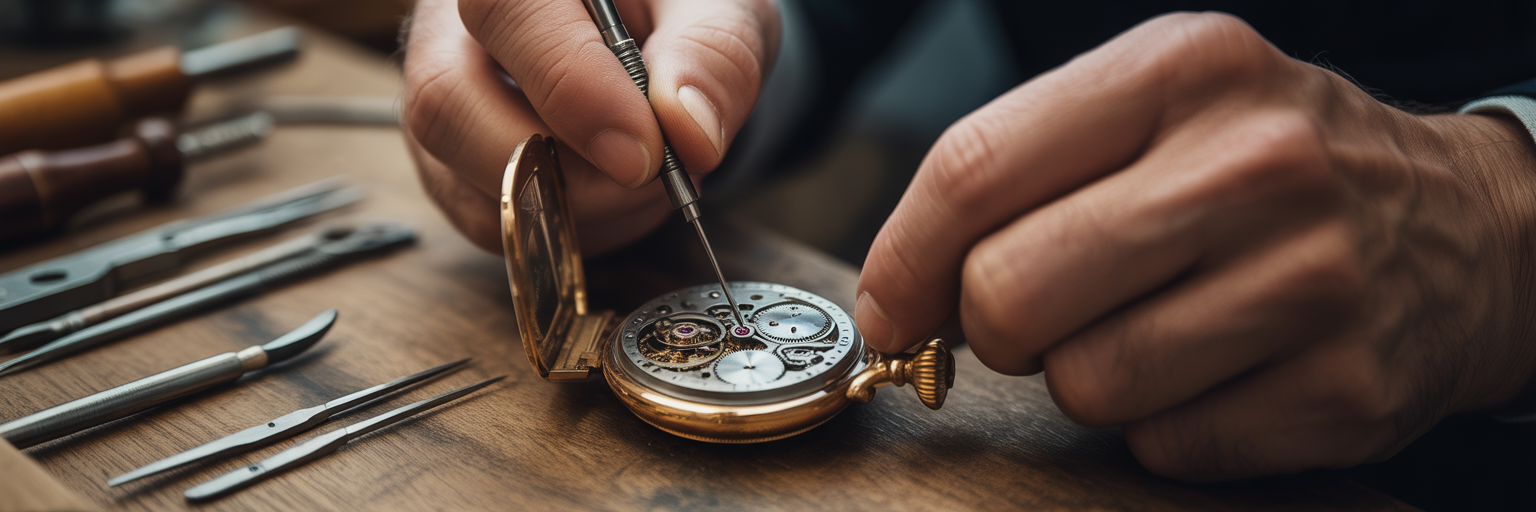
Opioid use disorder is a complex health condition that affects both the body and the mind. Thinking about recovery is like repairing a car that will not run. You would not just fix the engine and ignore the faulty electrical system, or vice versa. Both must be addressed for the car to function properly. Similarly, a lasting recovery from opioid addiction requires a dual approach that stabilizes the body while retraining the mind.
The first pillar is Medication-Assisted Treatment (MAT). This medical intervention focuses on creating physiological stability. It works by managing the intense physical withdrawal symptoms and cravings that so often derail recovery efforts. By calming the body’s dependence, MAT provides the solid foundation a person needs to begin the deeper work of healing.
The second pillar is the Intensive Outpatient Program (IOP). This is the framework where the psychological aspects of addiction are addressed. Through therapy and skill-building, individuals learn new behaviors, coping strategies, and ways to navigate life without opioids. It is the “electrical work” that rewires thought patterns and emotional responses.
The real power lies in their synergy. When the body is no longer in a constant state of crisis thanks to MAT, a person is finally able to fully engage with the therapeutic process of an IOP. Understanding this integrated model is the first step for anyone wondering how to get help for opioid addiction, because it targets the whole person, not just one part of the problem.
How Medication-Assisted Treatment Provides Physical Stability
Medication-Assisted Treatment is the use of FDA-approved medications, prescribed and managed by a medical professional, to treat opioid use disorder. The primary medications used are buprenorphine, often known by its brand name Suboxone, methadone, and naltrexone, also known as Vivitrol. These are not just random prescriptions, they are precision tools designed to restore balance to the brain.
These medications work on the same opioid receptors in the brain that substances of misuse target. However, they do so in a controlled, slow-acting way that normalizes brain chemistry, reduces cravings, and prevents severe withdrawal symptoms. This process breaks the painful cycle of misuse that is driven by the body’s physical demands. It gives a person the mental clarity and physical stability to step away from the chaos of active addiction.
A common misconception is that MAT simply substitutes one addiction for another. This could not be further from the truth. It is much like a person with diabetes using insulin to manage their chronic condition. The medication itself is not the cure, but a vital tool that allows the body to function correctly so the person can live a healthy life. We believe that treating a medical condition with proven medical science is the most compassionate and effective path forward. A well-structured MAT program Virginia or Maryland provides these evidence-based options as part of a comprehensive plan. You can learn more about the medical services we offer to support this journey.
Rebuilding Life Skills with Intensive Outpatient Programs
While MAT stabilizes the body, an Intensive Outpatient Program (IOP) focuses on rebuilding a life. An IOP is a structured therapeutic program that allows individuals to receive comprehensive care while still living at home, attending work or school, and managing daily responsibilities. It bridges the gap between inpatient care and returning to everyday life.
The core of an intensive outpatient program for opioids is behavioral therapy, particularly Cognitive Behavioral Therapy (CBT). This is not just talk therapy, it is a practical, hands-on approach to changing your life. CBT helps individuals to:
- Identify personal triggers and high-risk situations that lead to substance use.
- Challenge and reframe the negative thought patterns that fuel addiction.
- Develop healthy and effective coping mechanisms for stress, anxiety, and cravings.
Another vital component is group counseling and peer support. We have all felt that moment of relief when someone else says, “I’ve been through that, too.” Sharing experiences in a safe, moderated group setting reduces the shame and isolation that often accompany addiction. According to the Substance Abuse and Mental Health Services Administration (SAMHSA), this peer interaction is a critical part of recovery, creating a community of accountability and shared strength. It is a space where you are understood. The team of professionals guiding this process is just as important, and you can learn more about our compassionate approach and the people dedicated to your recovery.
Why Integrated Treatment Delivers Superior Results
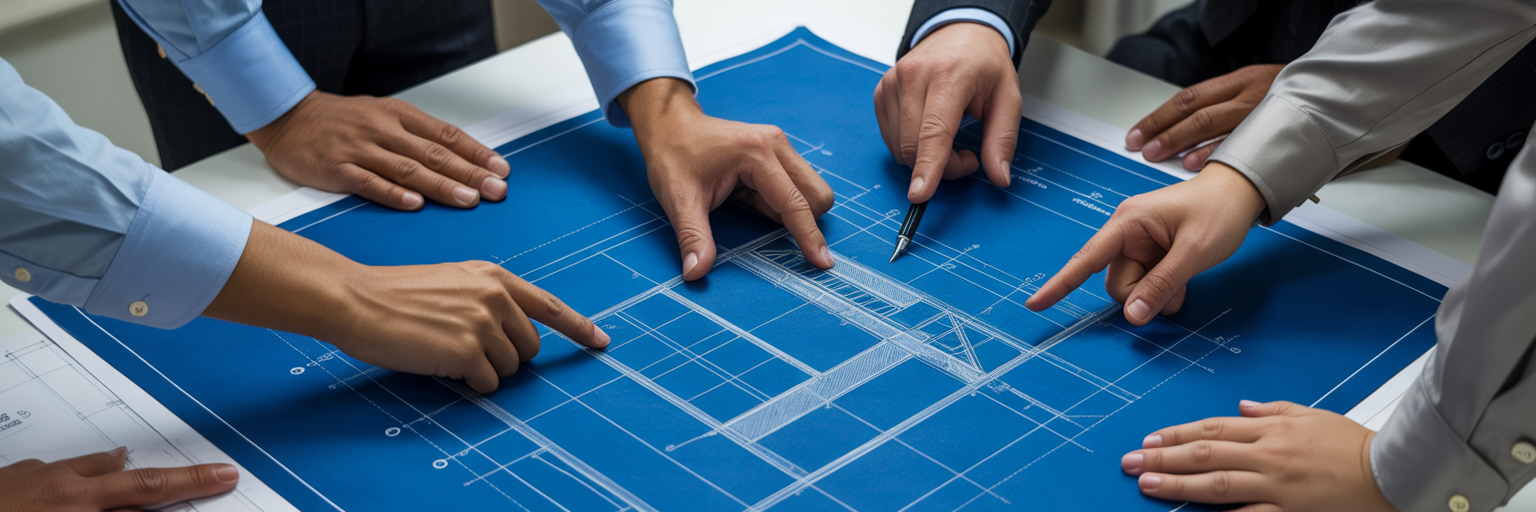
When you combine Medication-Assisted Treatment with an Intensive Outpatient Program, you create a powerful synergy that addresses addiction from all angles. MAT quiets the physical “noise” of cravings and withdrawal, which allows a person to be mentally present and receptive to the therapeutic work of an IOP. You cannot learn new coping skills if your body is screaming for relief. This combined MAT and IOP treatment ensures both needs are met simultaneously.
The evidence for this integrated approach is strong. As an analysis from Epic Health Partners highlights, successful models like Vermont’s “Hub and Spoke” system, which integrated medication with counseling, saw a significant reduction in overdose deaths. Patients in combined programs often report a renewed sense of control and the ability to focus on personal growth, knowing they have a comprehensive support system.
This approach allows for a highly personalized treatment plan that adapts as a patient progresses. It is not a one-size-fits-all solution but a dynamic partnership between patient and provider.
| Approach | Primary Focus | Treatment Retention | Long-Term Sobriety Outlook |
|---|---|---|---|
| MAT Only | Physiological stabilization | Moderate | Fair, but risk of relapse without behavioral change |
| IOP Only | Behavioral and psychological skills | Lower, due to unmanaged withdrawal/cravings | Challenging without physical stability |
| Combined MAT + IOP | Holistic (Physiological and Psychological) | High | Excellent, as both root causes are addressed |
Note: This table illustrates general outcomes based on clinical observations. Individual results vary, but integrated treatment consistently shows higher success rates in clinical studies.
Accessing Treatment Programs in Maryland and Virginia
Knowing the right solution exists is one thing, finding it is another. For those in our communities, the path to recovery is closer than you think. A great first step is to contact a confidential resource like the SAMHSA National Helpline, which can help locate vetted treatment facilities in your area.
We understand that cost is a major concern. Many people hesitate because they worry they cannot afford care. However, finding affordable addiction treatment Virginia and Maryland is possible. Many clinics, including ours, accept a wide range of insurance plans, including Medicaid and private insurance. Some also offer sliding scale fees to ensure cost is not a barrier to getting help. Furthermore, with the rise of telehealth, many providers now offer virtual appointments for both MAT and IOP, removing challenges like transportation and scheduling conflicts.
If you are looking for opioid recovery Maryland or Virginia, taking the first step is the most important one. A personalized assessment can help determine the right path for you. The team at Icon Medicine Family Practice is here to create an integrated recovery plan tailored to your specific needs and circumstances. Your journey to a healthier life can start today. Book an appointment here to begin building your path to recovery. If you have questions, please do not hesitate to contact us.