
The Mental Health Gap for Teens in Rural Florida
Since the early 2020s, the demand for adolescent mental health services has surged across the United States. As a recent report from Talkspace highlights, this places immense pressure on existing infrastructure. In Florida, this national trend hits differently in rural communities. For a family in a county like Hendry or Okeechobee, getting help is not as simple as finding a local office. It often means a long drive down I-75 or across miles of agricultural land just to reach a specialist, only to be met with a waiting list that stretches for months.
We can all picture the added stress: a parent taking a day off work, a teen missing school, all for a single appointment. Beyond the logistics, the close-knit nature of small towns can create a powerful barrier. The fear of being seen walking into a therapist’s office can feel overwhelming for a teenager already struggling. Privacy becomes a primary concern, making it harder to take that first step.
This scarcity of rural mental health services leaves many families feeling isolated and without options. The challenge is not just finding care, but accessing it in a way that fits the practical and emotional realities of life outside of Florida’s major urban centers. The gap between needing help and getting it is measured in miles, months, and missed opportunities for support.
The Emergence of Virtual Care Solutions
In response to the accessibility crisis, virtual care has become a vital bridge. It directly addresses the barriers of distance and time that many rural Florida families face. This isn’t about replacing traditional care, but about extending its reach through technology. The two primary forms are teletherapy, which is talk therapy conducted via video, and telepsychiatry for adolescents Florida, which allows for remote medication management with a licensed doctor.
Think of it like a secure video call, but one that is fully HIPAA-compliant to ensure complete confidentiality. From a teen’s perspective, the experience is transformed. Instead of a stressful car ride and an unfamiliar waiting room, they can connect with a therapist from the comfort of their own bedroom with just a laptop or phone. This simple shift removes significant logistical hurdles. These virtual platforms can offer a wide range of support, mirroring the comprehensive services we provide in traditional clinics.
The table below breaks down the practical differences, showing how virtual care offers a direct solution to the challenges of distance, scheduling, and privacy that were once major roadblocks for families in rural areas.
| Factor | Traditional In-Person Care | Virtual Care (Teletherapy/Telepsychiatry) |
|---|---|---|
| Accessibility | Limited by geography; requires travel | Accessible from anywhere with an internet connection |
| Scheduling | Rigid appointment times; requires time off school/work | Flexible scheduling, including after-school hours |
| Specialist Access | Limited to local providers, if any | Access to specialists across the entire state of Florida |
| Privacy & Stigma | Risk of being seen at a clinic in a small town | Discreet sessions from the privacy of home |
Key Benefits of Virtual Support for Adolescents
Beyond just solving logistical problems, virtual care offers distinct advantages that can make therapy more effective for teenagers. The focus shifts from simply getting to an appointment to creating an environment where a teen feels genuinely comfortable opening up. This is where online counseling for teenagers truly shines.
Enhanced Privacy and Comfort
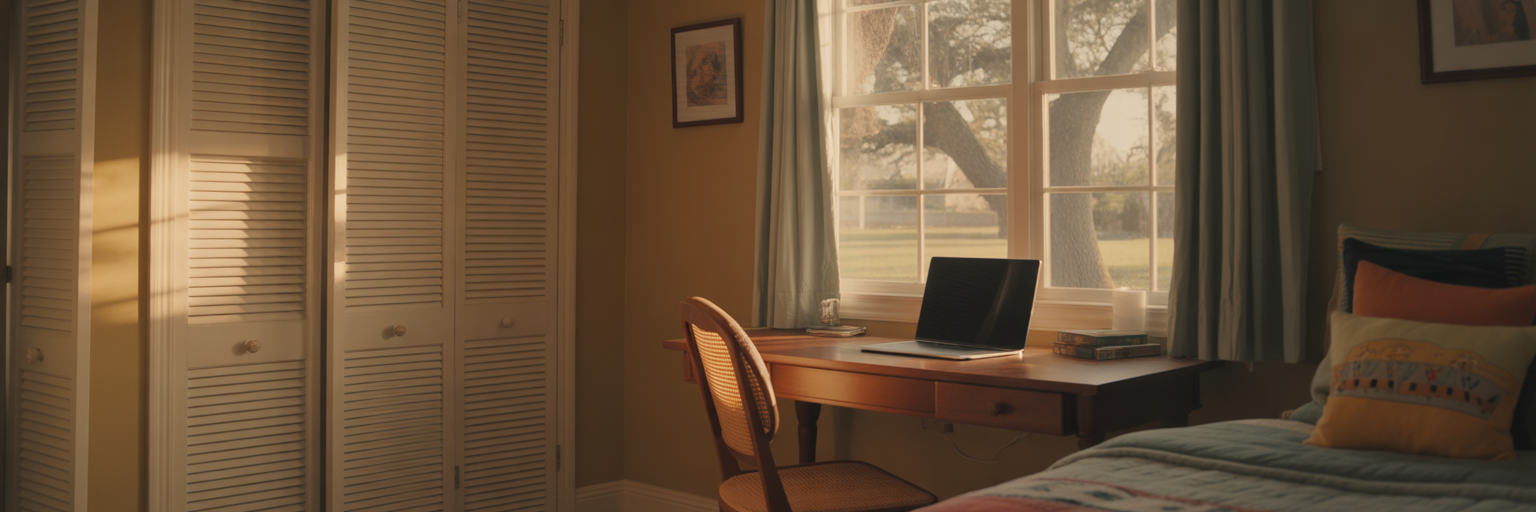
A teenager’s bedroom is their sanctuary. When therapy happens in that familiar space, it removes the clinical feel of a doctor’s office. Surrounded by their own things, a teen may feel more grounded and willing to discuss sensitive topics. This sense of safety can lead to more honest conversations and a stronger therapeutic alliance from the very first session.
Unmatched Scheduling Flexibility
The teenage years are packed with school, sports, and social commitments. Virtual appointments can be scheduled after school or in the evening, eliminating the need to pull a teen out of class or cancel extracurricular activities. This flexibility reduces stress for the entire family and makes it far more likely that a teen will stick with their treatment plan consistently.
Expanded Access to Specialized Care
Perhaps the most significant benefit is the access to a wider pool of specialists. A teen in a small town is no longer limited to the one or two therapists nearby. They can connect with a provider anywhere in Florida who specializes in their specific needs, whether it’s social anxiety, eating disorders, or LGBTQ+ affirming care. As Namaste Psychiatry notes, the adoption of virtual telepsychiatry is a significant factor in expanding mental health care access across Florida. Staying informed is key, and you can find more insights on topics like this on our blog.
Navigating Challenges and Ensuring Quality Care
While virtual care offers powerful solutions, it is important to acknowledge and address potential hurdles. The “digital divide” is a real issue in parts of rural Florida where internet access can be unreliable. However, there are practical workarounds. Many families find success by using the Wi-Fi at a local library for sessions, checking for state-run connectivity programs, or even asking if a provider offers phone-based sessions as an alternative.
In-home privacy is another common concern. Simple steps like using headphones and finding a quiet corner of the house can make a significant difference. Some teens even take calls from a parked car to ensure they will not be overheard. The platforms enabling virtual therapy for teens are part of a larger wave of tech innovations, which are increasingly aimed at bridging gaps in access to essential services. When vetting a provider for teen mental health Florida, parents should always:
- Verify their Florida license to ensure they are qualified to practice in the state.
- Confirm their experience working specifically with adolescents.
- Ensure they use a HIPAA-compliant platform to protect your family’s privacy.
Choosing a provider is a significant decision, and understanding their background and philosophy can help build trust. Learning more about our team and approach is a great way to start. As research highlighted by Discovery points out, telepsychiatry can improve both access and equity, accelerating mental health care for youth. For some, a hybrid model that combines virtual sessions with occasional in-person visits offers the perfect balance of convenience and connection.
Taking the First Step Toward Virtual Support
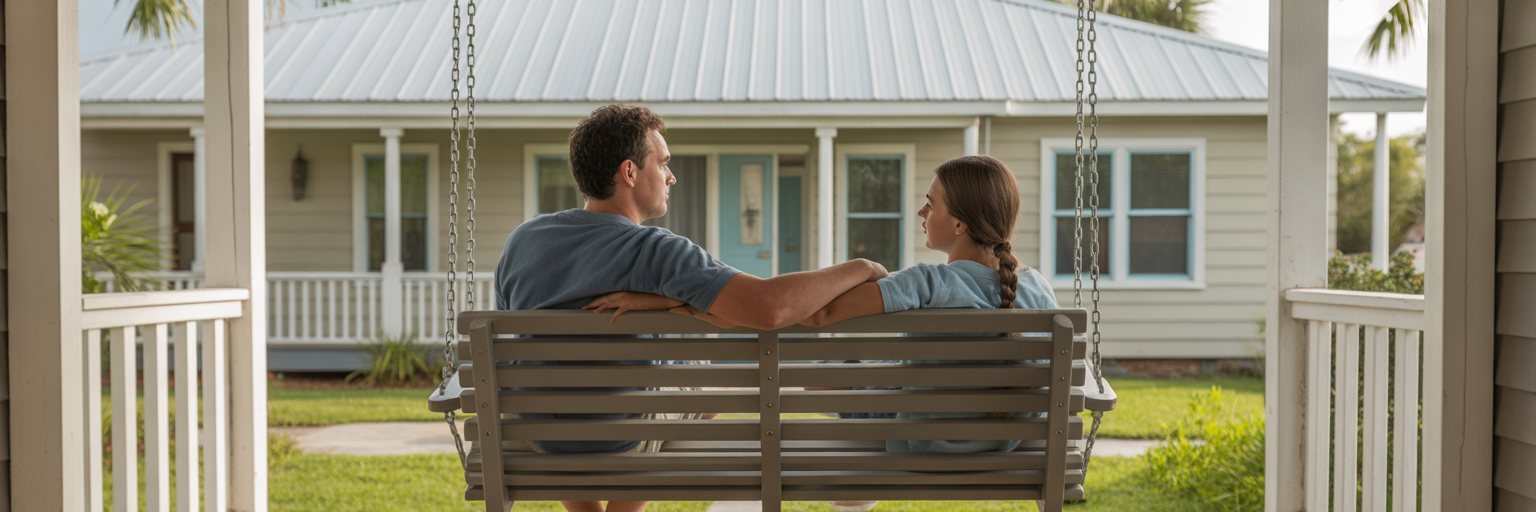
Knowing that help is available is one thing; taking the first step is another. The process can feel daunting, but it can be broken down into simple, manageable actions. The goal is to move forward with support and clarity, not pressure.
Here is a straightforward path to get started:
- Talk to your teen. Start the conversation from a place of support, not judgment. Using “I” statements like, “I’ve noticed you seem down lately, and I’m worried about you,” can open the door for a productive discussion. Frame therapy as a tool for building skills, like managing stress or improving communication.
- Research providers together. Involving your teen in the process gives them a sense of ownership. Look at provider profiles and websites together to find someone they feel they could connect with.
- Check your insurance coverage. Many insurance plans now cover teletherapy and telepsychiatry. A quick call to your provider can clarify your benefits and any potential out-of-pocket costs.
For families in Florida seeking guidance, a primary care provider can be an excellent first stop. Practices like Icon Medicine Family Practice can assess your teen’s needs and help connect you with the right virtual mental health resources. To explore your options, you can book a consultation to discuss your family’s needs. Finding a healthcare partner you trust is the most important step on this journey, and we are here to help.